
“Preserving Our Past for the Future”
Ever wonder about the ownership history of your property or your home? Want to know who’s buried in Lower Merion cemeteries? Curious how the Main Line got its name?
You’ll find answers to these burning questions and plenty more at the Lower Merion Academy, where the Lower Merion Historical Society keeps its trove of memorable treasures. The Academy building, ensconced between an elementary and middle school in Bala Cynwyd, was built in 1812 on land bequeathed by Quaker farmer Jacob Jones. Upon his death in 1810, Jones also left 800 pounds to build a school and another 500 pounds to hire teachers “for the free education and instruction of Poor and Orphaned children of both sexes . . . without regard to their religious Profession or Education.” Thus was established the first public school in the township, a quarter century before the Commonwealth of Pennsylvania mandated public schooling for all its residents.

Lower Merion Academy building in an undated photo.
In 1914, after Lower Merion School District built Cynwyd Elementary on part of the original Jones tract, the Academy building was reconstructed to serve as a classroom annex. Then, in 2000, with the expansion of Bala Cynwyd Middle School, the school district had room to spare and subleased a portion of the Academy building to the Lower Merion Historical Society, which partnered with the district to repurpose the building as a special library. Two years later, the building got listed on the National Register of Historic Places, and in 2004 the Academy became the Society’s headquarters.
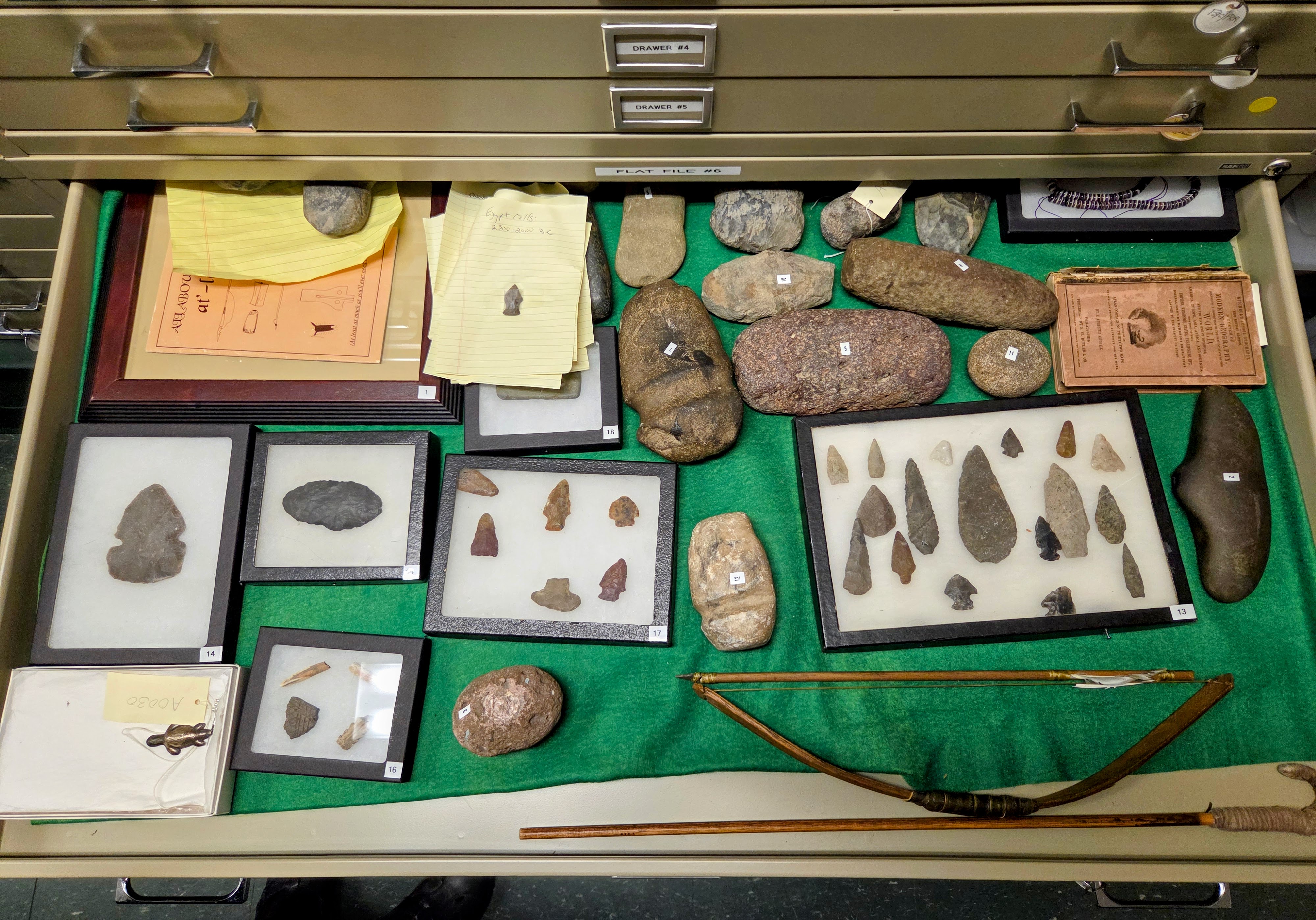
Today, the thousands of books, maps, photographs, oral histories and artifacts in the Society’s collection are mostly housed on the second floor of the Academy building. Among the many antique maps plotting the development of the township from farmland to upscale suburban enclave, are a dozen or so Pennsylvania Railroad atlases of the Main Line, including three editions depicting every property between Overbrook and Paoli.
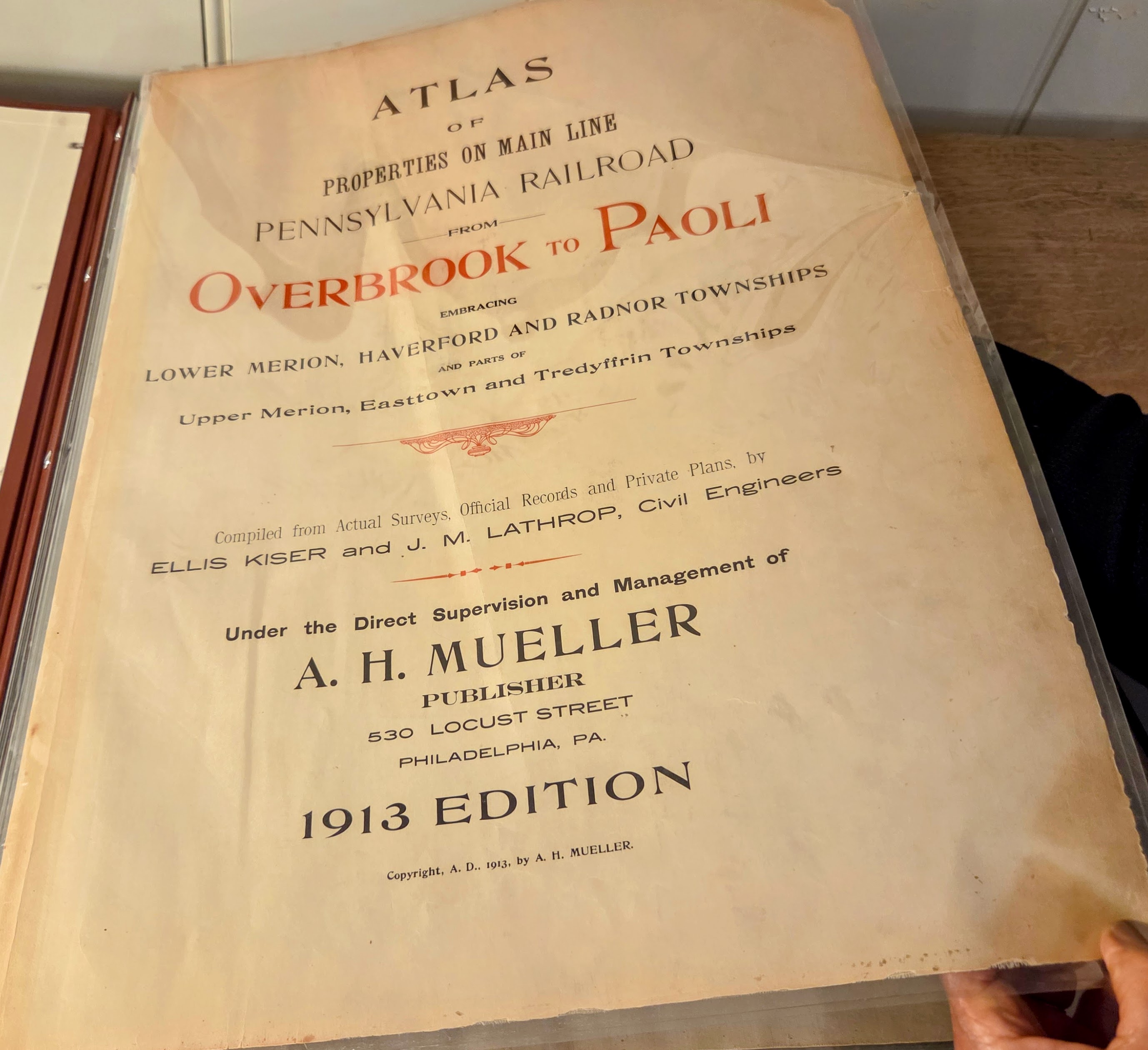
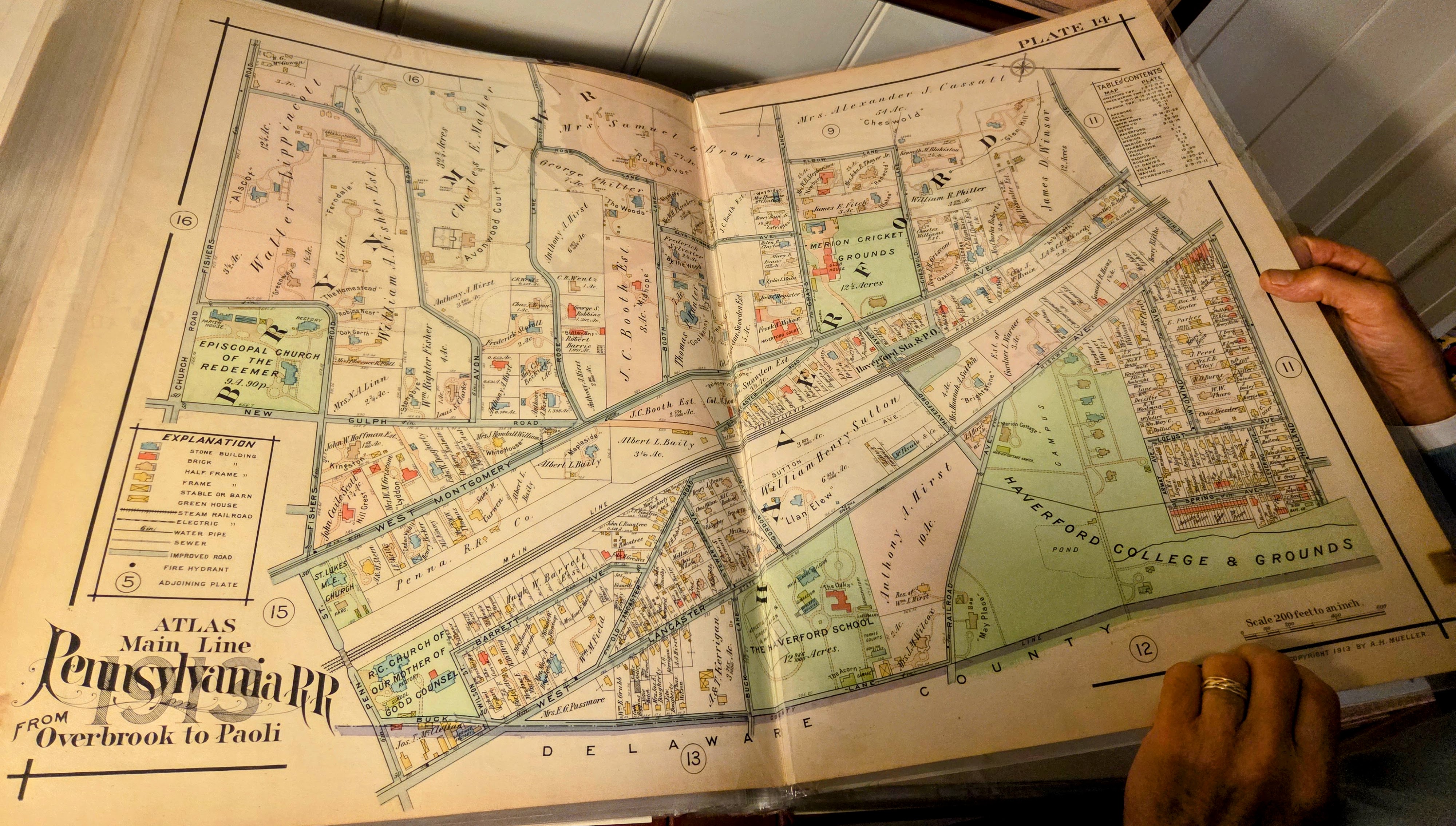
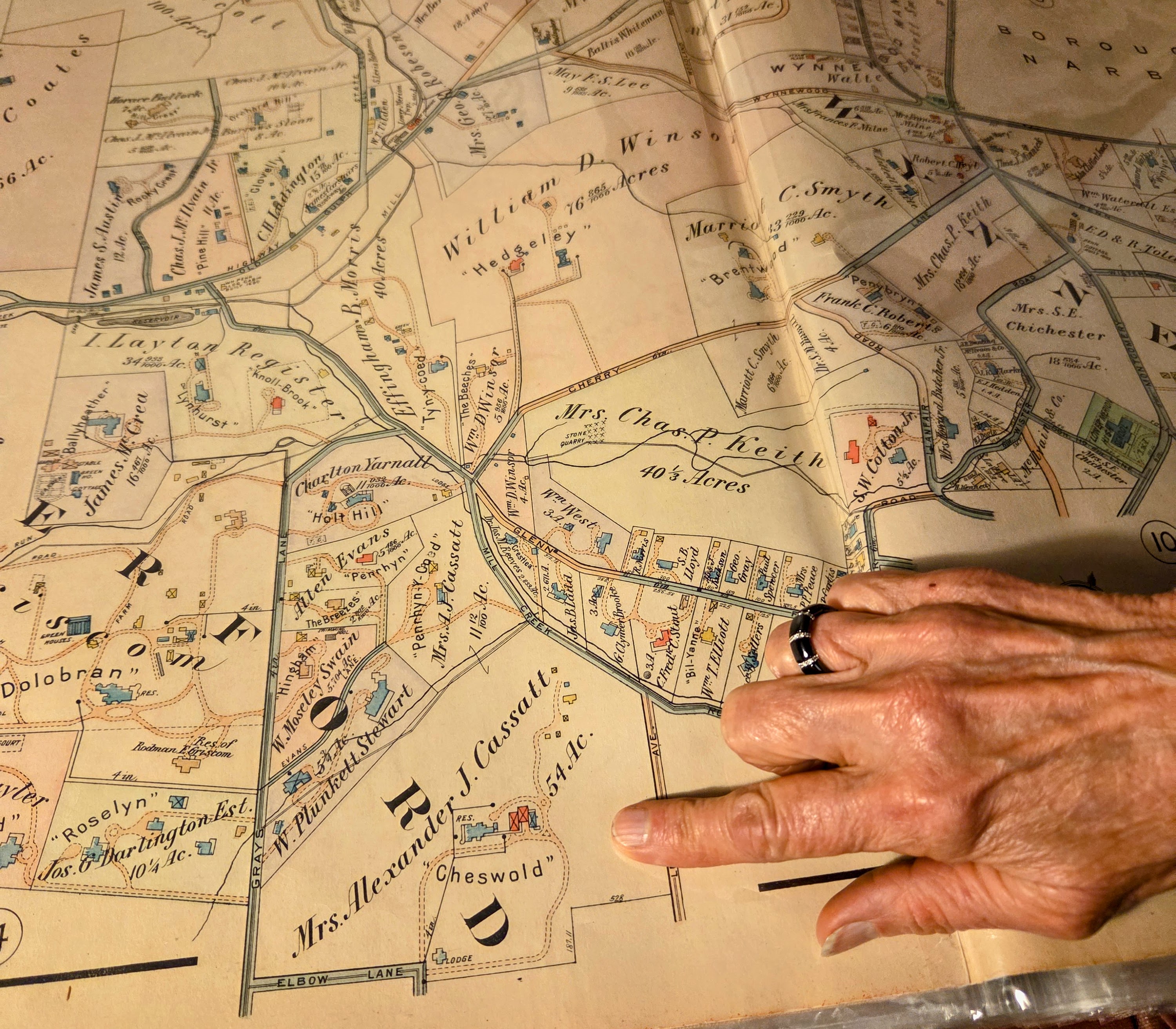
The library also includes seven different collections of books, indentures, letters and artifacts, as well as property and burial records.


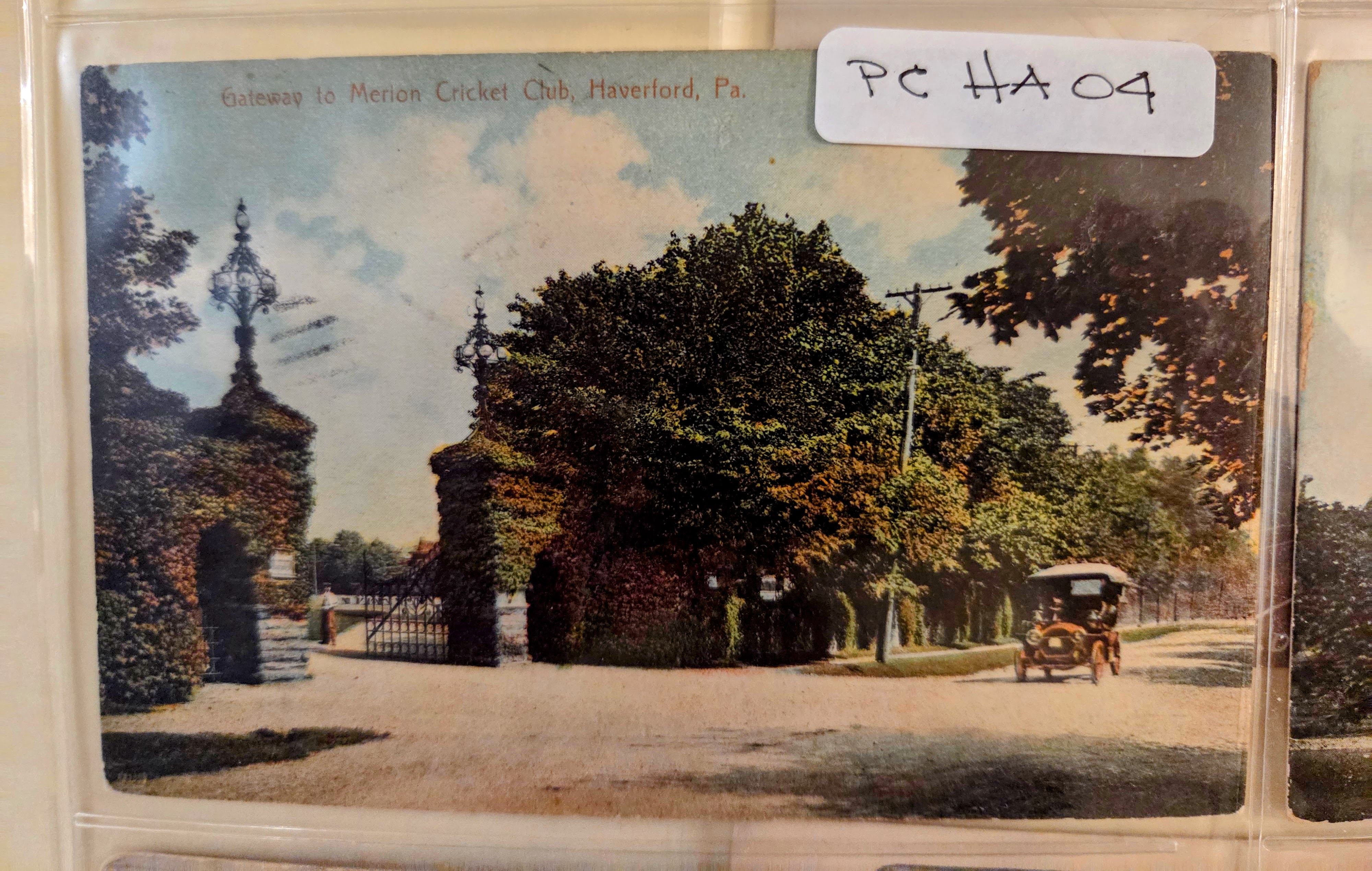
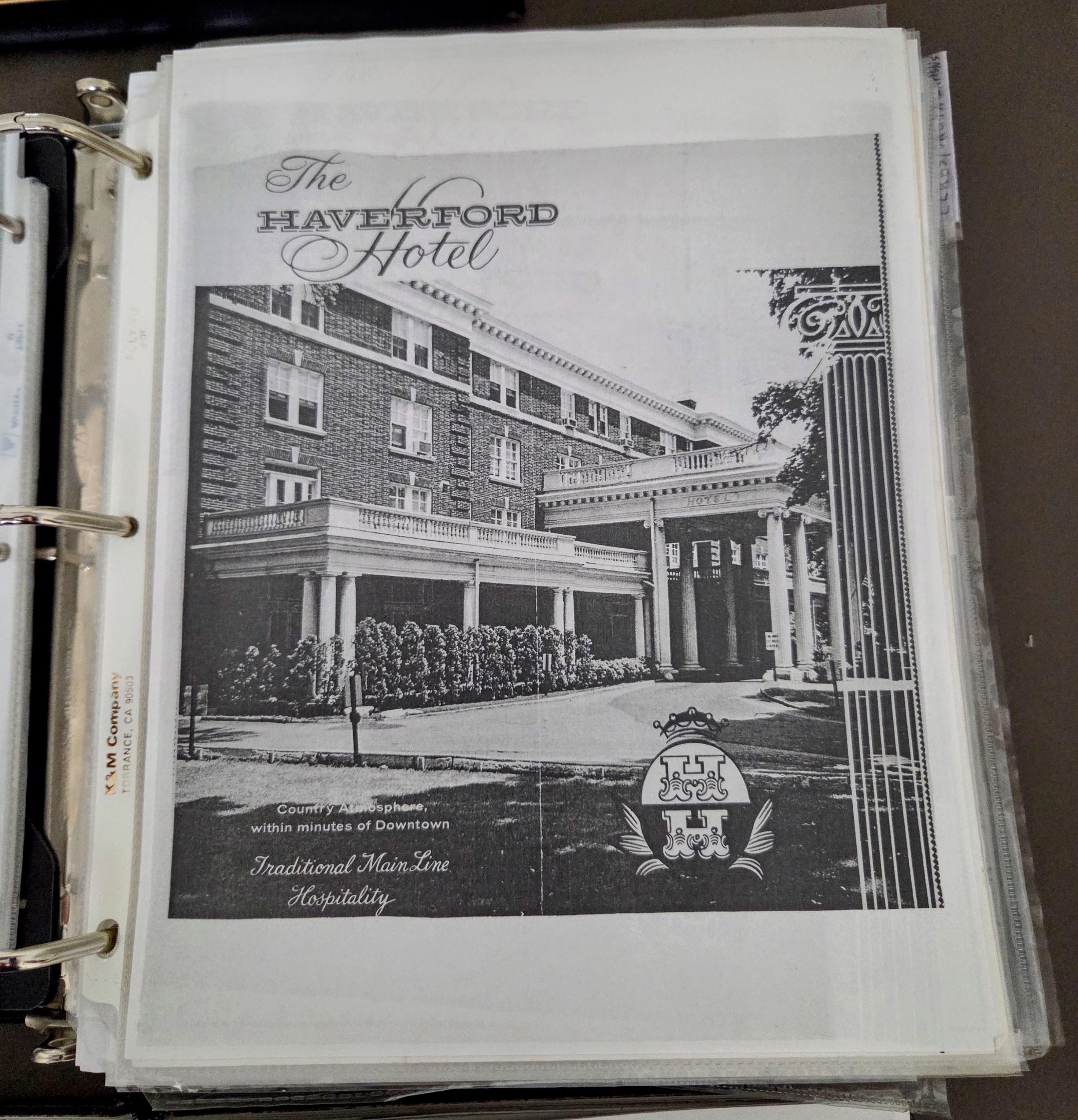
Early pictures of township landmarks such as the Merion Cricket Club (still going strong) and the Haverford Hotel (long gone) are among thousands of photographs and post cards in the collection.
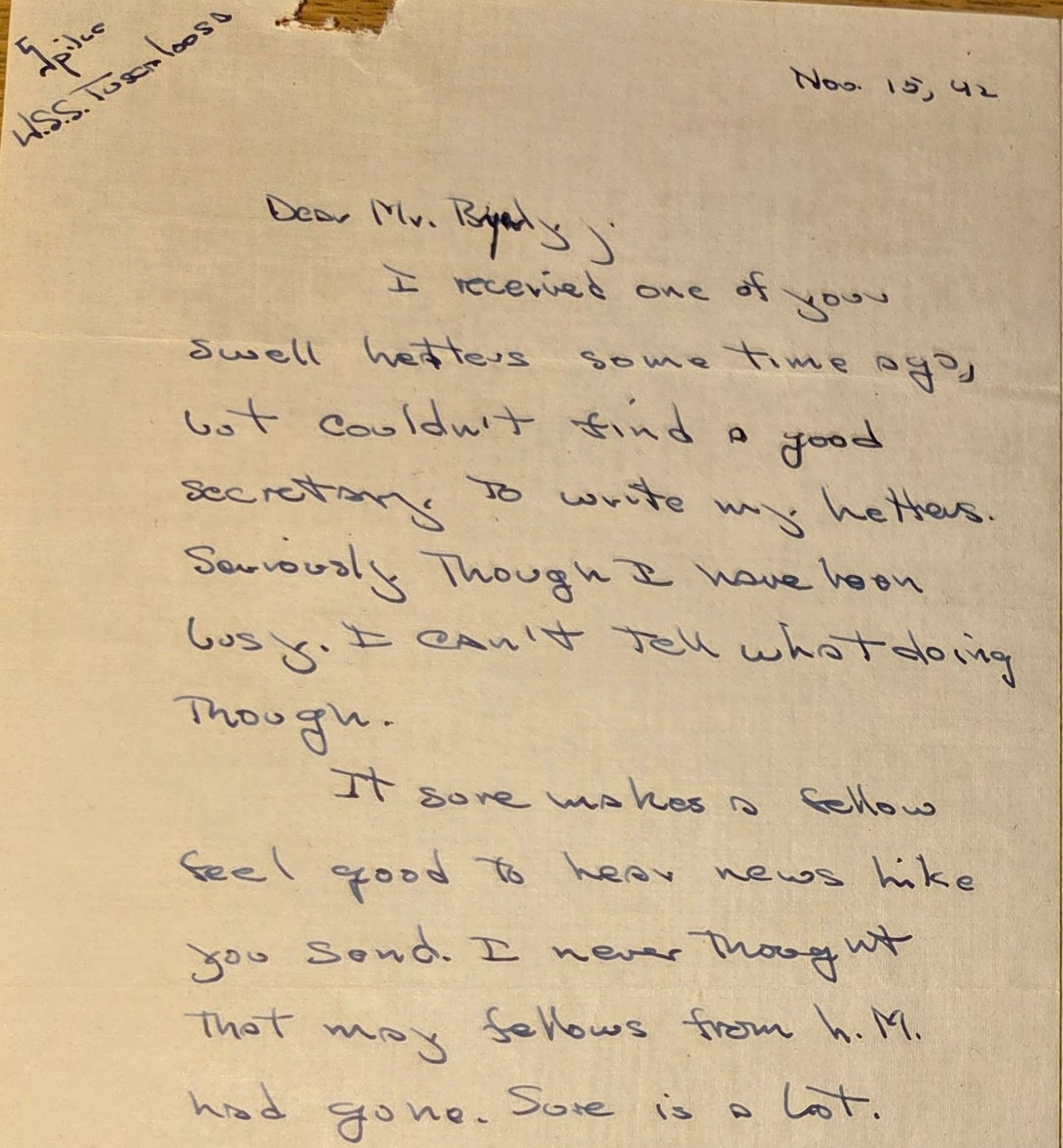
One of the most poignant pieces of history in the Society’s holdings is the Byerly Collection. It’s a compilation of hundreds of letters between Russ Byerly, a shop teacher at Lower Merion High School, and local residents serving in the Armed Forces during World War II. Byerly‘s students – mostly young men but a few women as well – were about to leave home to fight in an overseas war against the forces of fascism and autocracy. He asked them to write him letters about their experience that he could share with others, and promised to write them back, preserving and promoting the bond between those on the home front and those on the war front. Byerly’s newsletter and hundreds of these back-and-forth missives have been painstakingly conserved and catalogued alphabetically by name of correspondents.
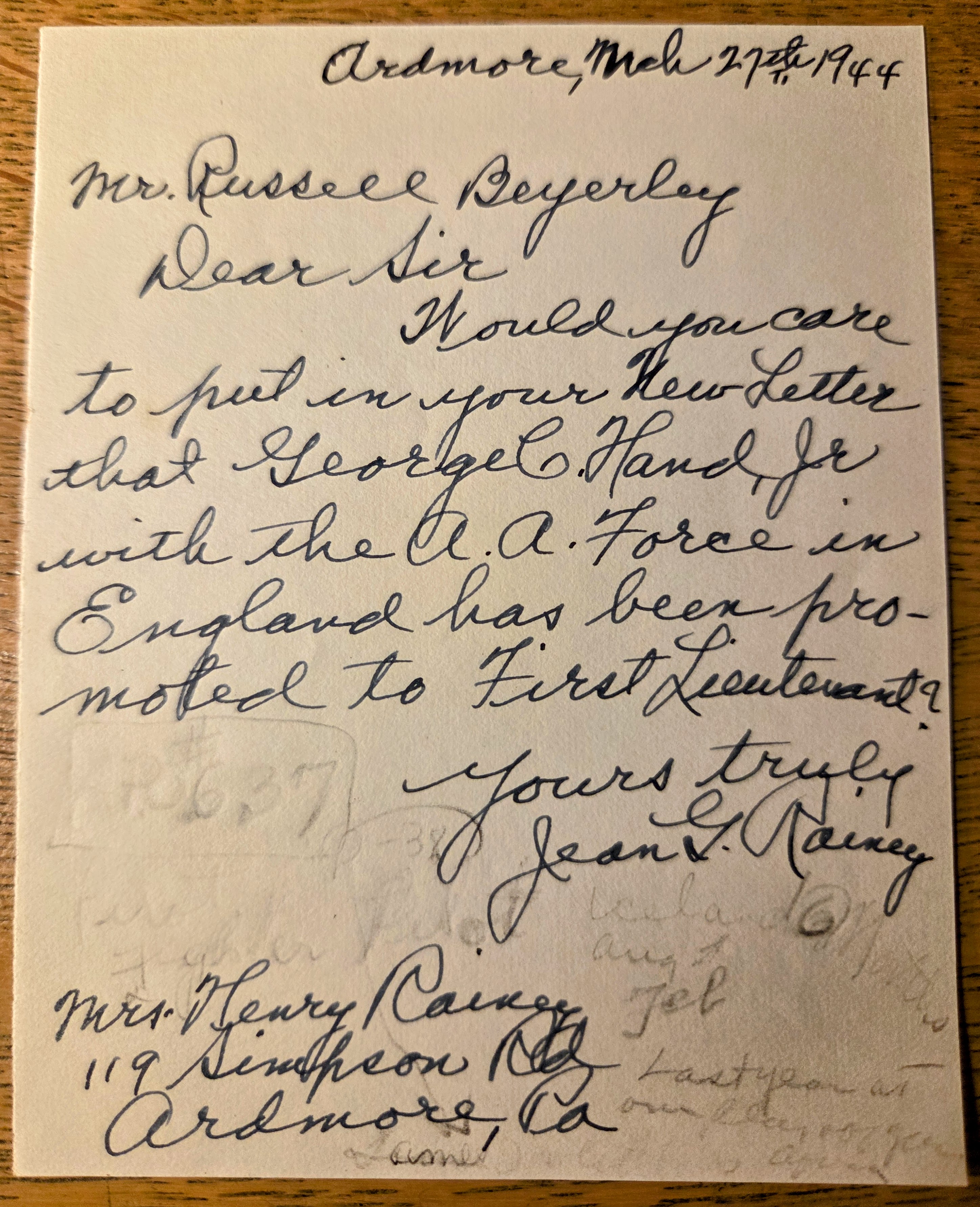
The Byerly Collection is but one example of how the Historical Society has been “Preserving Our Past for the Future” since 1949. Its vast collection of rare and noteworthy items is open to the public on Wednesday evenings from 7 to 9 p.m., Sundays from 2 to 4 p.m. or by appointment. Call (610) 664-3216 or email LMHistory@comcast.net. The Academy building is located at 506 Bryn Mawr Avenue in Bala Cynwyd. Here’s a link to the website: https://lowermerionhistory.org/. (NOTE: Lower Merion Academy, as a listed historical building, is not handicapped accessible.)
Go ahead, take a trip down memory lane. Delve into Lower Merion and Narberth’s past and discover the remarkable stories of the people and communities who came before.
 Haverford Civic Association