Sharpe Park and The Garden Workers

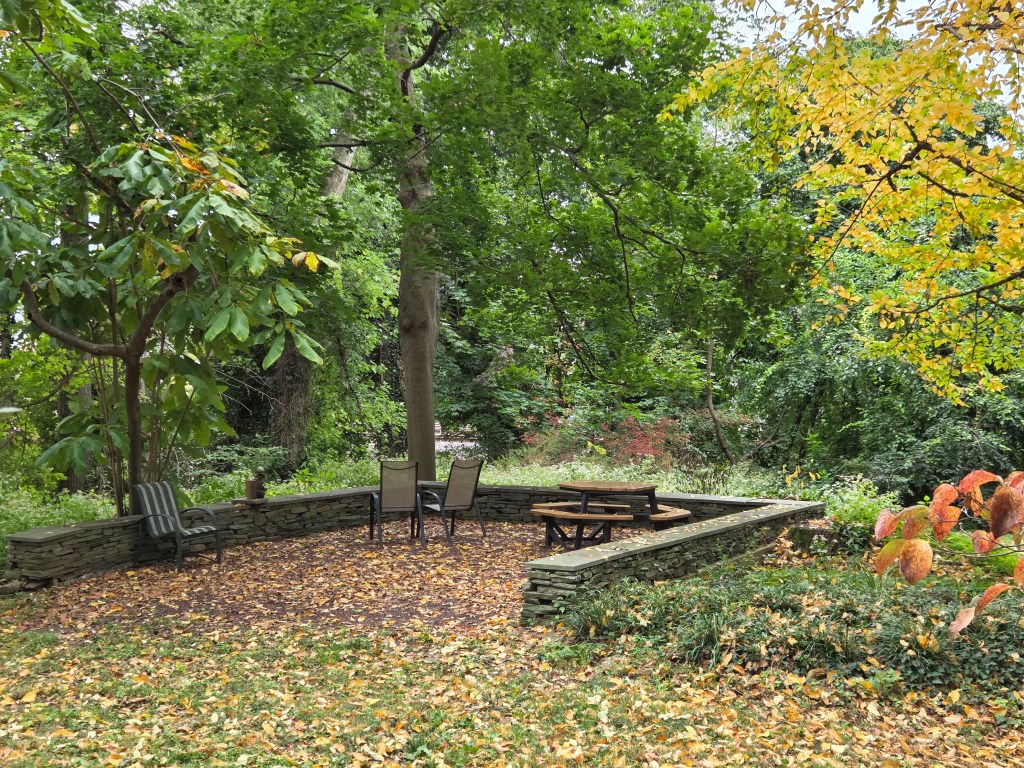
That leafy corner with the split rail fence at the intersection of Montgomery Avenue and Station Road in Haverford is the site of Sharpe Bird Sanctuary, known locally simply as Sharpe Park. Dr. John Semple Sharpe bought the 2.3-acre lot back in 1914, and in 1963 his widow, Catherine Dixon Sharpe, willed it to Lower Merion Township, with the proviso that it be “maintained as a semi-wooded, green area without formal facilities for playground use.”

Today, responsibility for the upkeep of Sharpe Park rests with the township’s Parks and Recreation Department. But Parks and Rec gets a big lift from local organizations that cater to horticultural handiwork. The Pennsylvania Horticultural Society’s Tree Tenders, volunteers from local schools, a Bryn Mawr Presbyterian Church group and others have been enthusiastic partners. Haverford Civic Association has also been a steady backer, supplying money and members’ sweat equity. In the spring and fall you might see HCA members in the park with hoes and pruners hacking away at tree-strangling ivy and rampant pachysandra.

It’s for the birds

But perhaps the most dedicated patrons of Sharpe Park are The Garden Workers, a local affiliate of The Garden Club of America. They’ve been working with the township since 1979 to maintain and enhance the property. Now they are embarked on an ambitious multi-year plan to transform the still relatively undeveloped patch of woodland into a beautiful and thriving nature preserve. Their mission, as articulated in a 2024 web post, is to “restore the habitat for birds and beneficial insects while promoting community involvement through education about the importance of developing native habitats, utilization and volunteerism.”

Under the leadership of president Missy Kathol, a team of three Garden Workers – Catherine Bell, Brooke McInnes and Anita Leto – are heading up the Sharpe Park project. They work closely with Donna Heller and David DeAngelis, director and assistant director of the Lower Merion parks department, and Steve Wright, director of horticulture/curator of plant collections, at Jenkins Arboretum. Heller and DeAngelis supply tools and heavy equipment, delivering mulch and clearing out debris. Wright lends his expertise in plant selection and plan design.

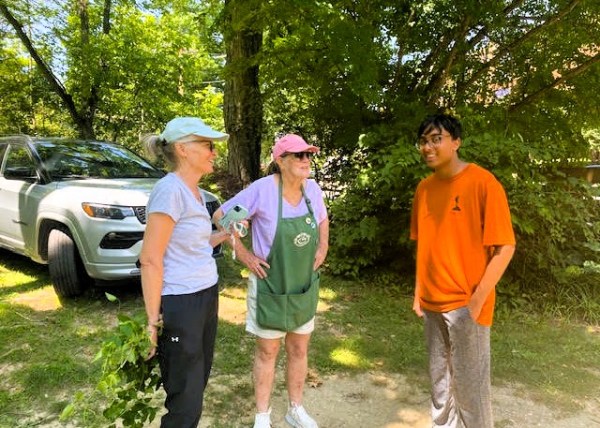
(Left to right) Catherine Bell, Brooke McInnes and Anita Leto are leading a multi-year project of The Garden Workers to transform Sharpe Park into a thriving nature preserve.

Big changes in Sharpe Park got underway in 2024. Brush was cleared and beds were prepped over spring and summer. By fall, the beginnings of a major transformation were evident. A cornucopia of new shrubbery took root: blueberry, American beautyberry, native honeysuckle and smooth hydrangea. A long rank of 25 spice bushes were planted to screen the park’s south border from the adjacent Haverford Train Station parking lot. Fifteen coralberry saplings flanked them on the other side of an earthen path. And a beautiful new American Holly tree made for a stunning focal point.

Work continued the following spring, with the planting of masses of native ground cover under the magnificent Katsura tree near the park entrance on Haverford Station Road. The Garden Workers are all about replacing invasive and non-native plant species with native ones, in this case wild ginger, strawberry and violets. In the fall, they added columbine.

The Garden Workers got some welcome reinforcements over spring and summer, continuing their extract-and-replace campaign with the help of Haverford School students digging holes and building a rock border around the planting beds. Two Shipley Schoolers made Sharpe Park their senior project, spending three weeks on site prep, weeding, creating a watering guide and spreading a mountain of mulch left over after two Ash trees were taken out.

By the end of summer, The Garden Workers – with their student helpers – had planted two-and-a-half dozen Maple leaf viburnum and a trio each of snowberry and a euonymus variety called strawberry bush.

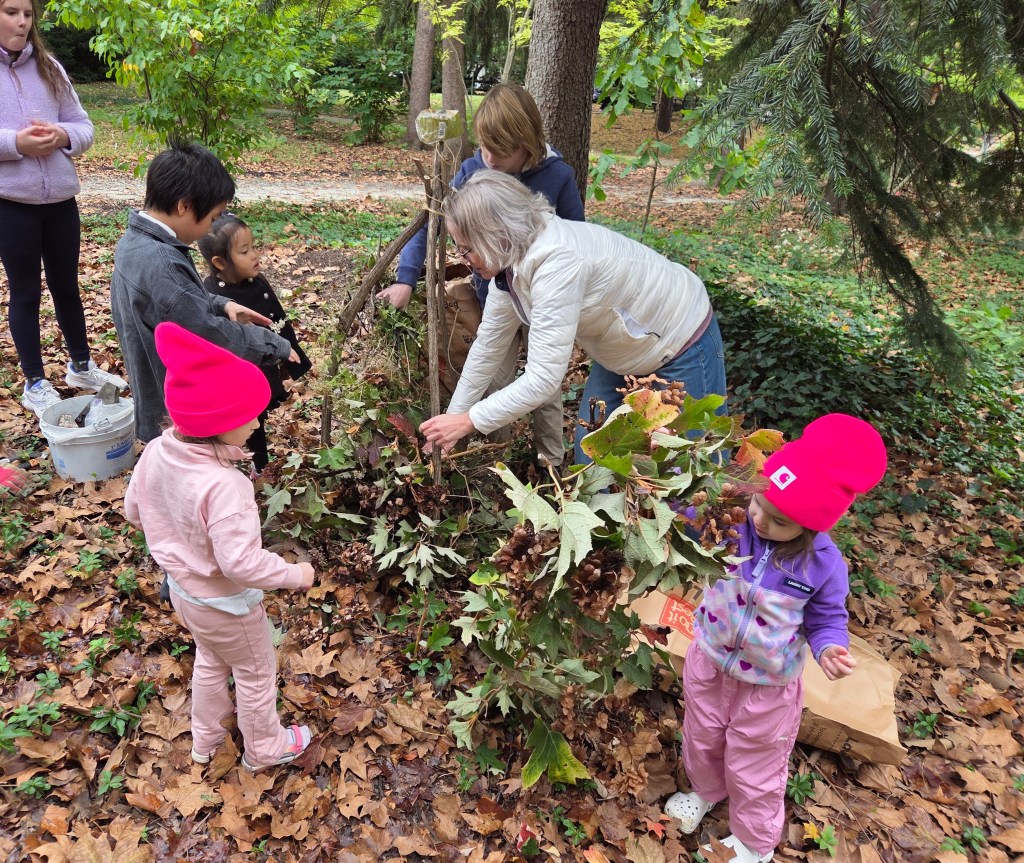
In the fall, Sharpe Park picked up 30 columbine seedlings, 5 witch hazels, 4 viburnums and a partridge in a pear tree. Okay, neither a partridge nor a pear tree materialized, but there is a wild goose statue in a secluded glen. As usual, the autumn leaves were left for the birds, bugs and wee beasties. Not so lucky were some aggressive Norway maples and the highly invasive Chinese species called “tree of heaven.” They were unceremoniously extracted and their stumps ground.

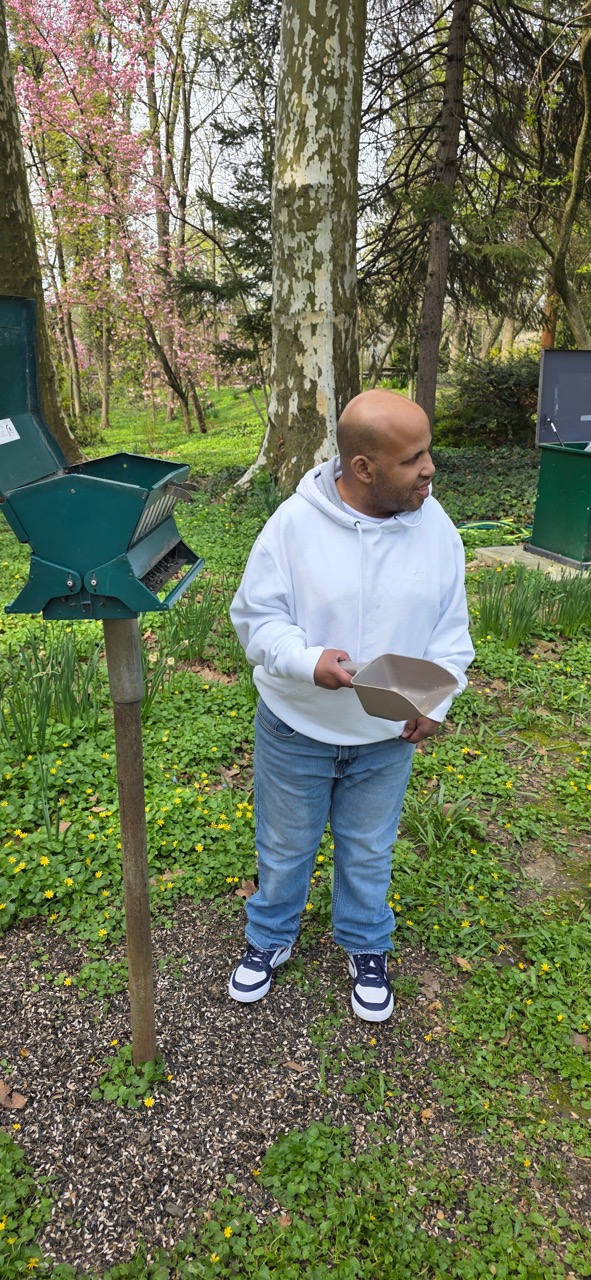
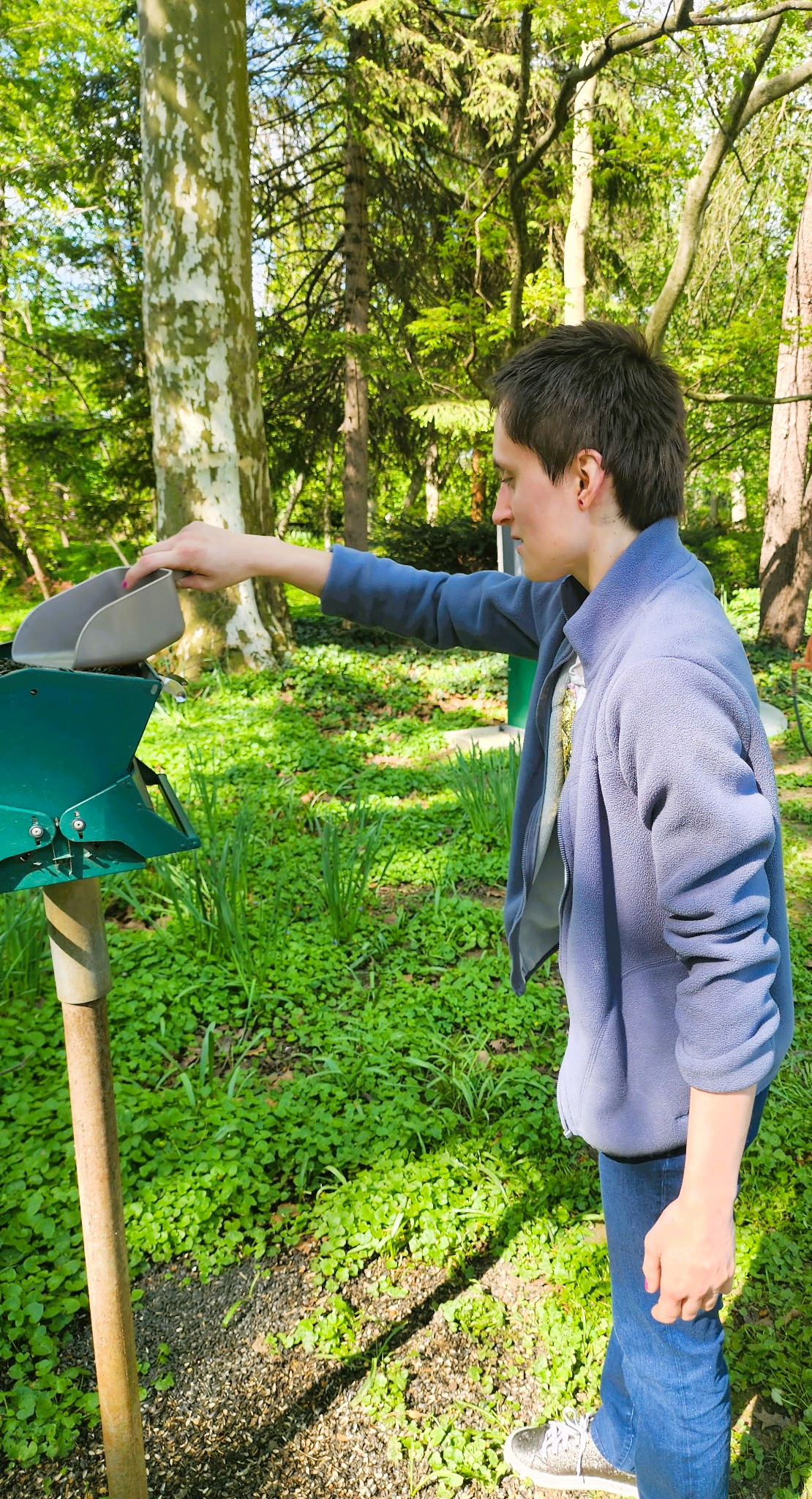
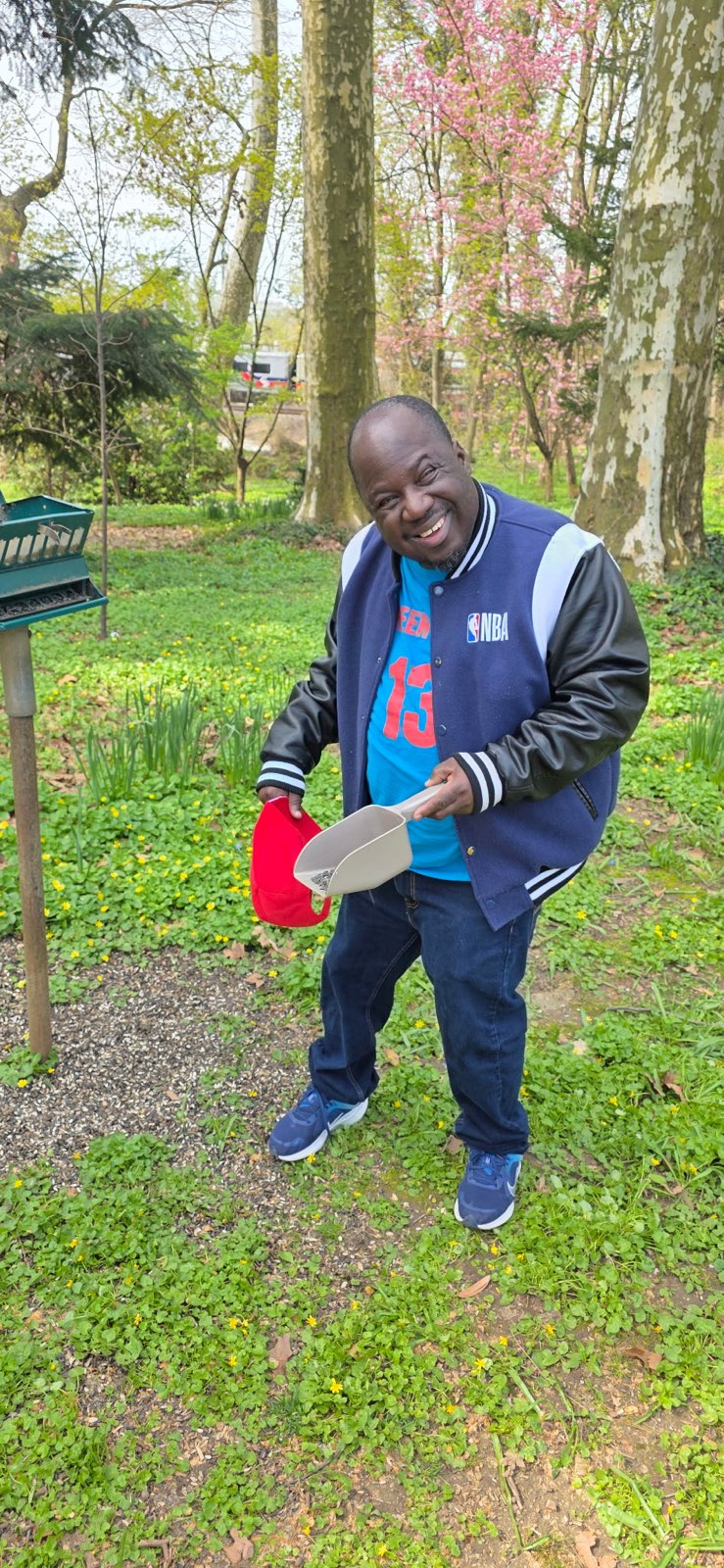
Work at the park doesn’t really stop over winter. During the coldest months when edibles are scarce, The Garden Workers manage a bird-feeding program, which typically runs from mid December to mid March. Volunteers can sign up online for a shift toting bird seed from storage bins to feeder posts scattered around the park.

A sunny bed


Site plan for the Sunny Bed, The Garden Workers’ spring 2026 project at Sharpe Park.

A sunny spot in the heart of the park is targeted for transformation this spring. However, the Sunny Bed will have to be made before any plants can lie in it. And that means hours of backbreaking stooping and straining to tear out dense mats of pachysandra, since The Garden Workers don’t use herbicides. Some sizable shrubs will also have to be cleared, including an invasive Japanese spirea, a butterfly bush and some knockout roses.

The newcomers will be picked from a list of native plants selected in consultation with Steve Wright, who also drew up the design plan. These sun-seeking, bird-friendly species include dogwood, elderberry, blueberry and viburnum, as well as roses, asters and goldenrod. The plants will get ID tags with their botanical and common names to further the educational goals of the project.

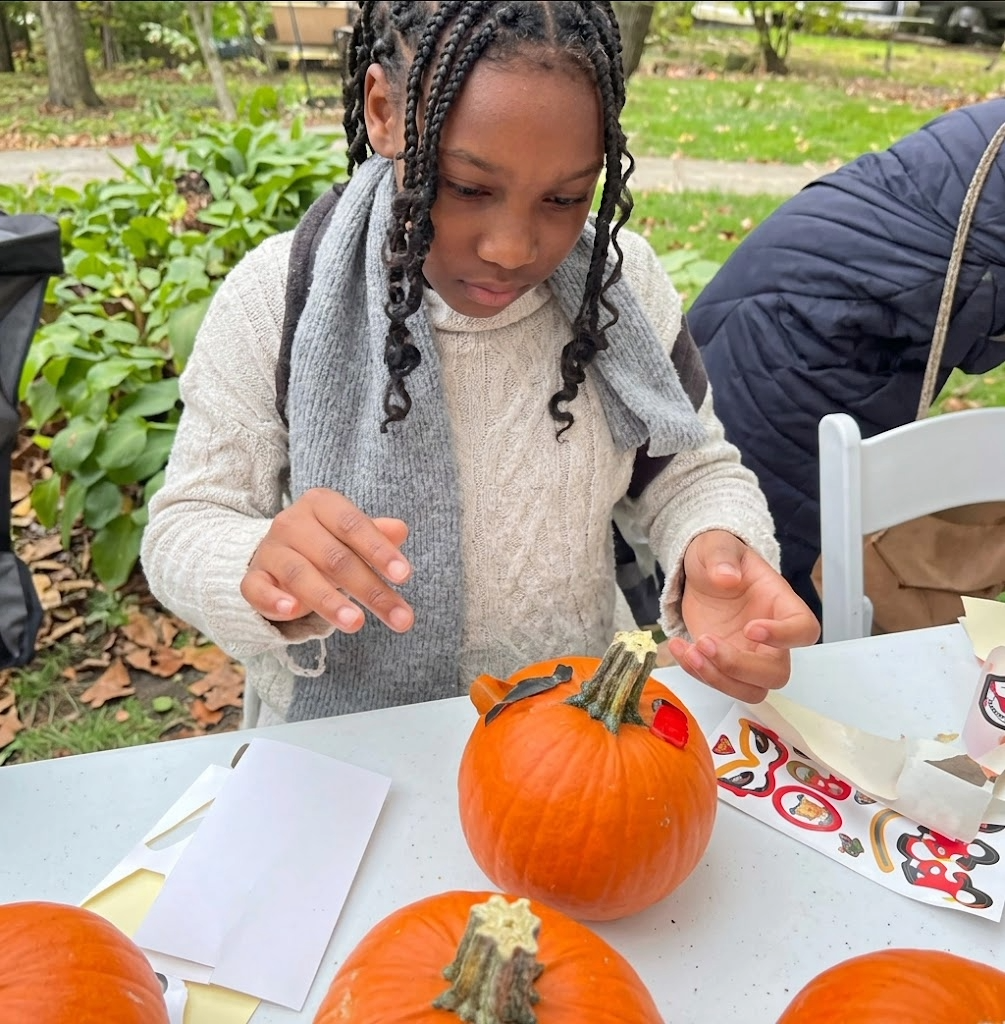
In the fall of 2024, The Garden Workers put on a scavenger hunt for “natives” at a community festival in Sharpe Park.

After putting the Sunny Bed to rest, The Garden Workers will move on to the long stretch of the park bordering Montgomery Avenue, advancing in stages to restore bird habitat as quickly as possible. The idea is that each restored area will also spark community interest, create volunteer opportunities and demonstrate the progress of the work.

The other green stuff

Habitat restoration and beautification projects need plenty of nourishment – vision, enthusiasm, committed leadership, volunteer labor – and money, the other green stuff. To that end, the Sharpe Park team gets an allocation, which varies from year to year, out of The Garden Workers’ annual budget. Garden Club of America also came through with two grants earmarked specifically for restoration work at Sharpe Park.

As far back as 2011, Haverford Civic Association has also contributed significant funding. It even created a membership category, Birdwatchers, the proceeds of which fund an annual appropriation. And of course there has been financial support from the wider community as well. Many private individuals have ponied up cash or donated native plants to help carry the work forward.

Additional resources come in the form of donated services or discounts. In addition to its logistical support, Lower Merion’s parks and recreation department has dealt with the removal of several large trees – a task that would generate thousand-dollar invoices from commercial arborists. Jenkins Arboretum extends discounts on purchased plants. Other plants and supplies are sourced from wholesale nurseries.

Money can’t buy everything, though. Every year, volunteers log hundreds of hours of free labor at Sharpe Park, pulling weeds, preparing sites, planting and spreading mulch. You can, too. Each spring and summer, in conjunction with The Garden Workers’ scheduled sitework, Haverford Civic Association sponsors community workdays in the park – typically April/May and September/October. Watch this website for exact dates and hours.

And, by the way, Catherine Dixon Sharpe was herself a member of The Garden Workers. Her vision of a “semi-wooded, green area” lives on today at a leafy corner in Haverford.


Addenda

To make a tax deductible donation to The Garden Workers, send funds via Venmo to @Garden_Workers.

To contribute as a Haverford Civic Association Birdwatcher, click here.

To be notified of the exact dates and times of the spring and fall workdays, subscribe to this website or follow us on Facebook.

A good source for a list of native plants is https://www.panativeplantsociety.org/.

A similarly good source for a list of invasive plants is https://www.pa.gov/agencies/dcnr/conservation/wild-plants/invasive-plants/invasive-plant-fact-sheets.

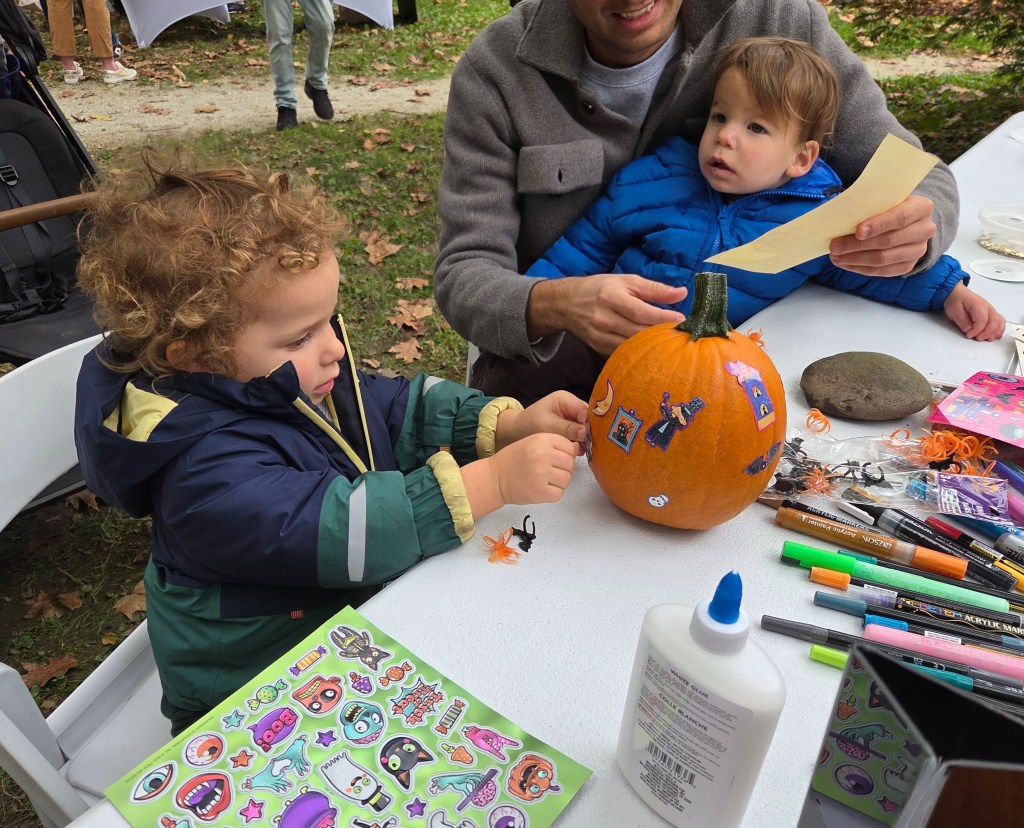
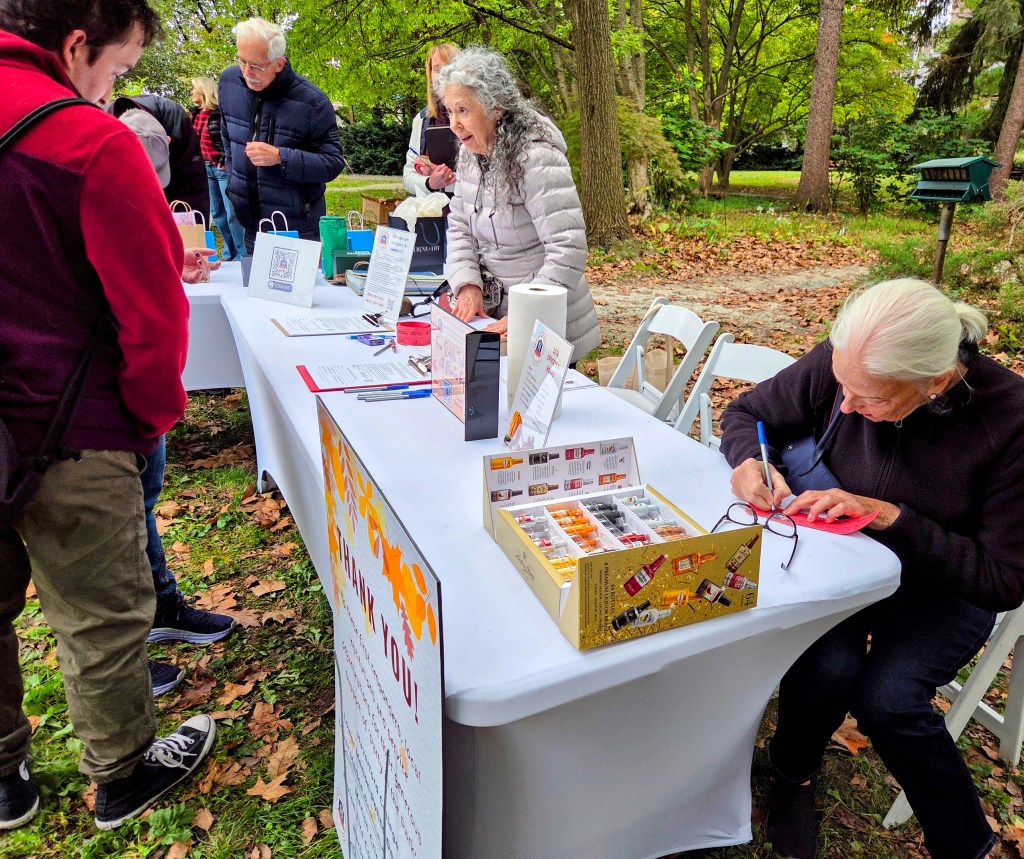
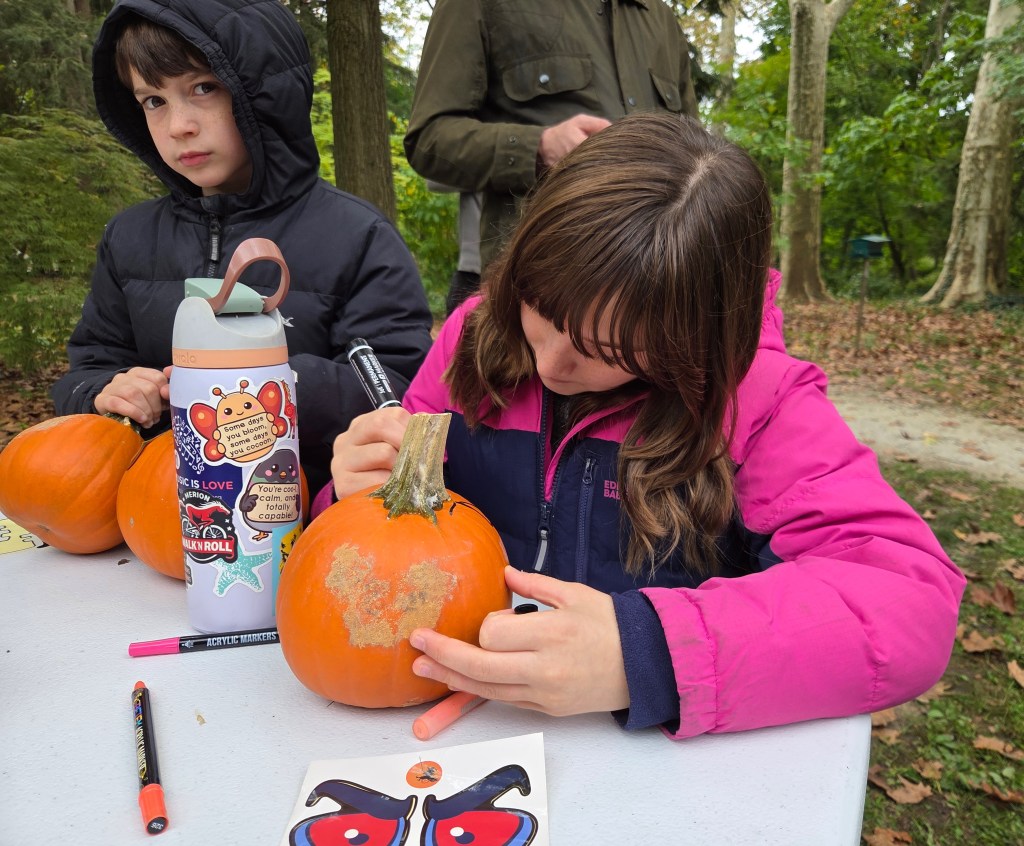
Pix from Party in the Park

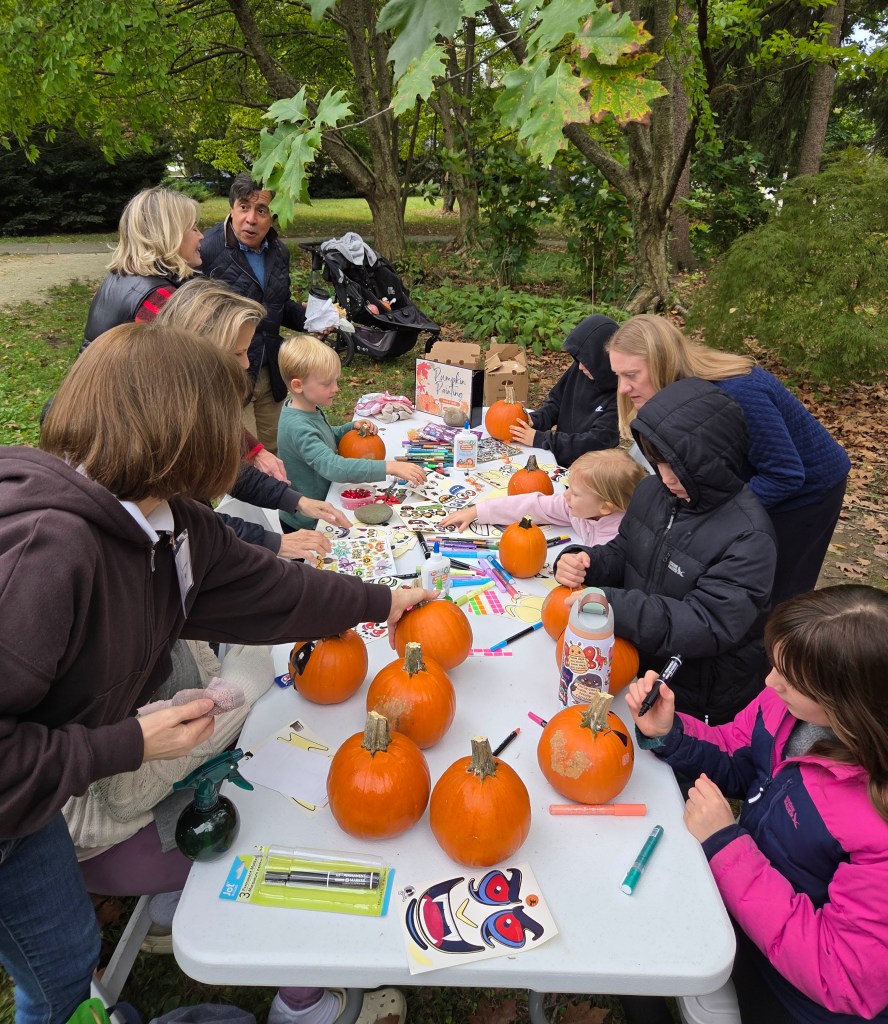
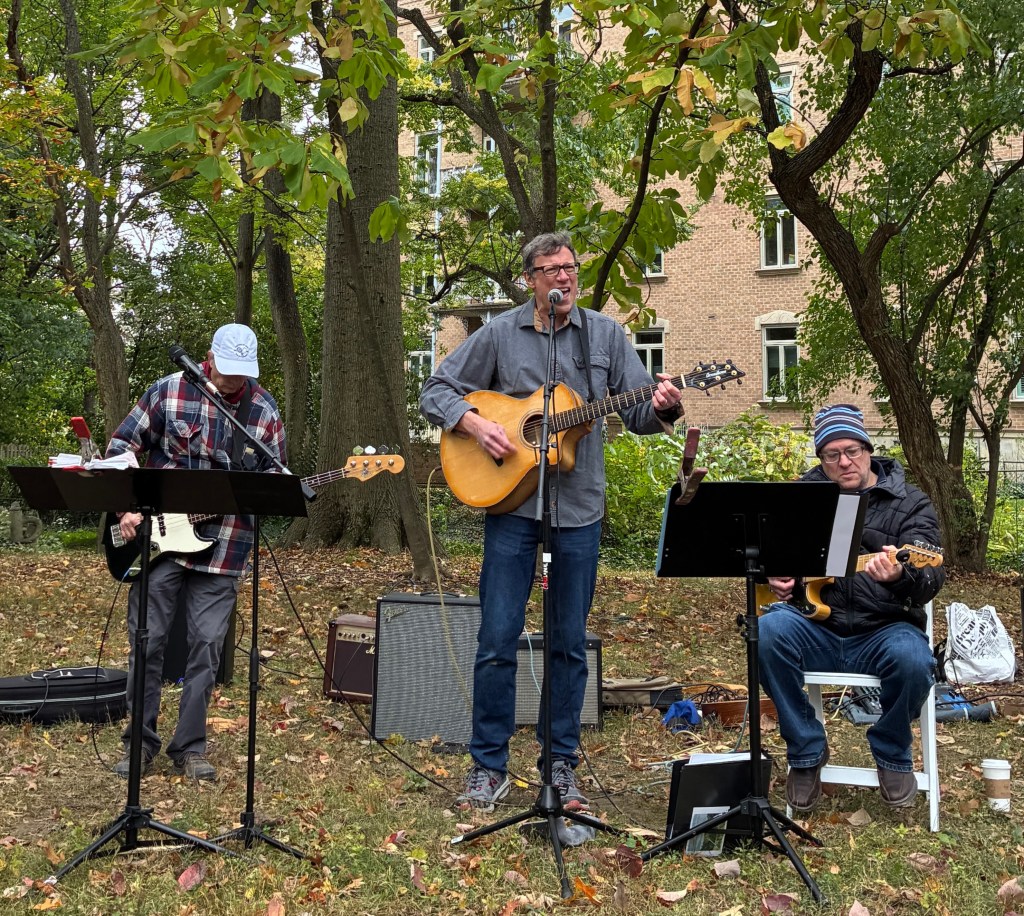
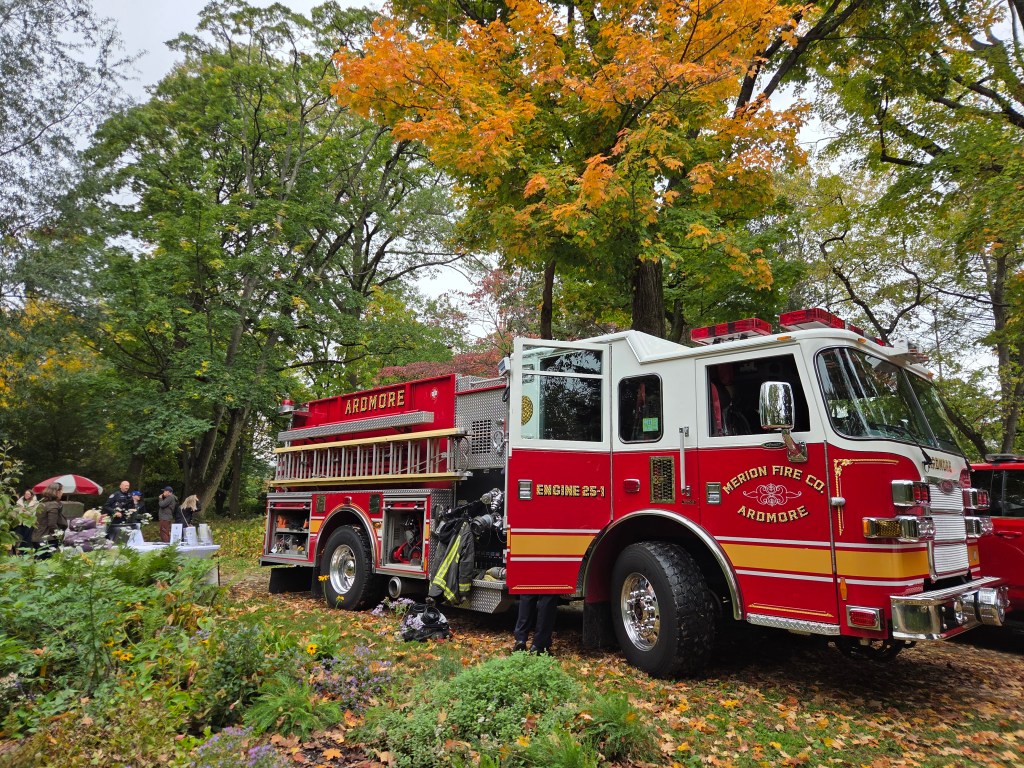
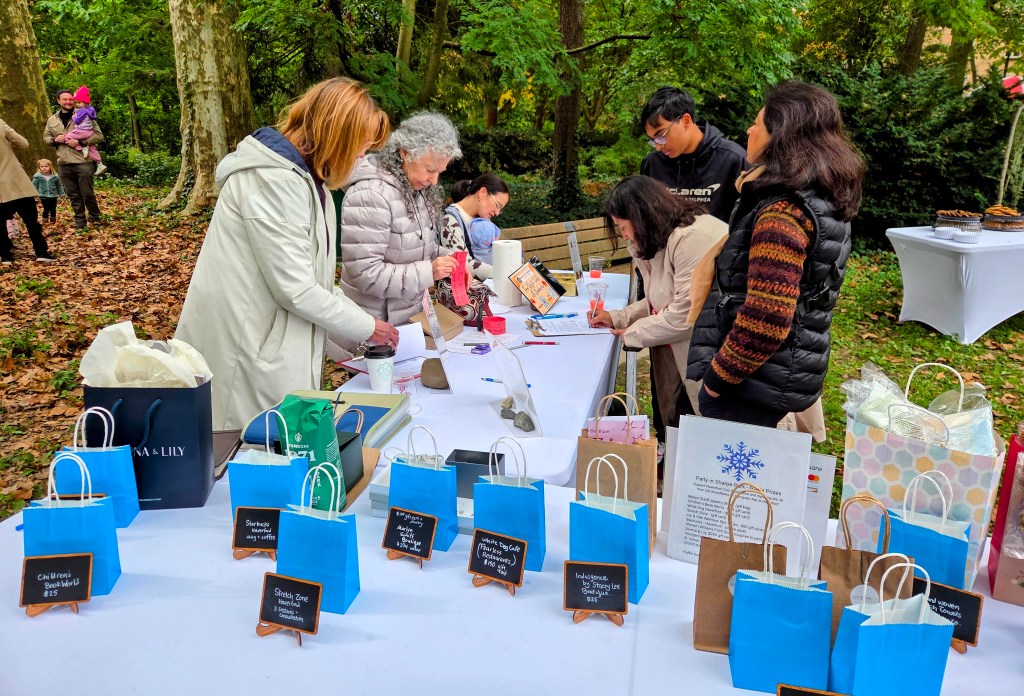
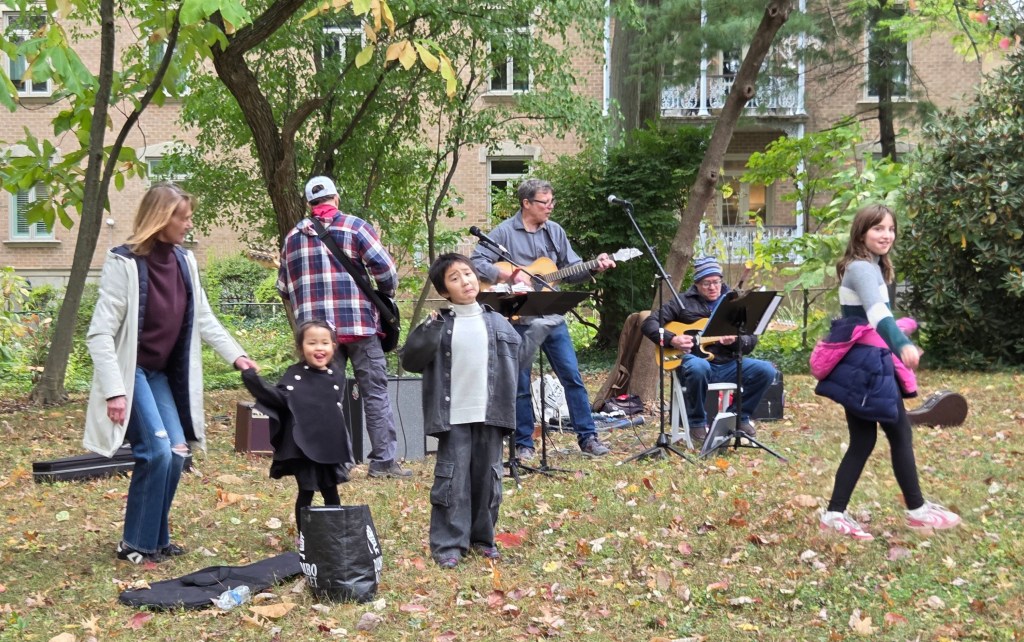
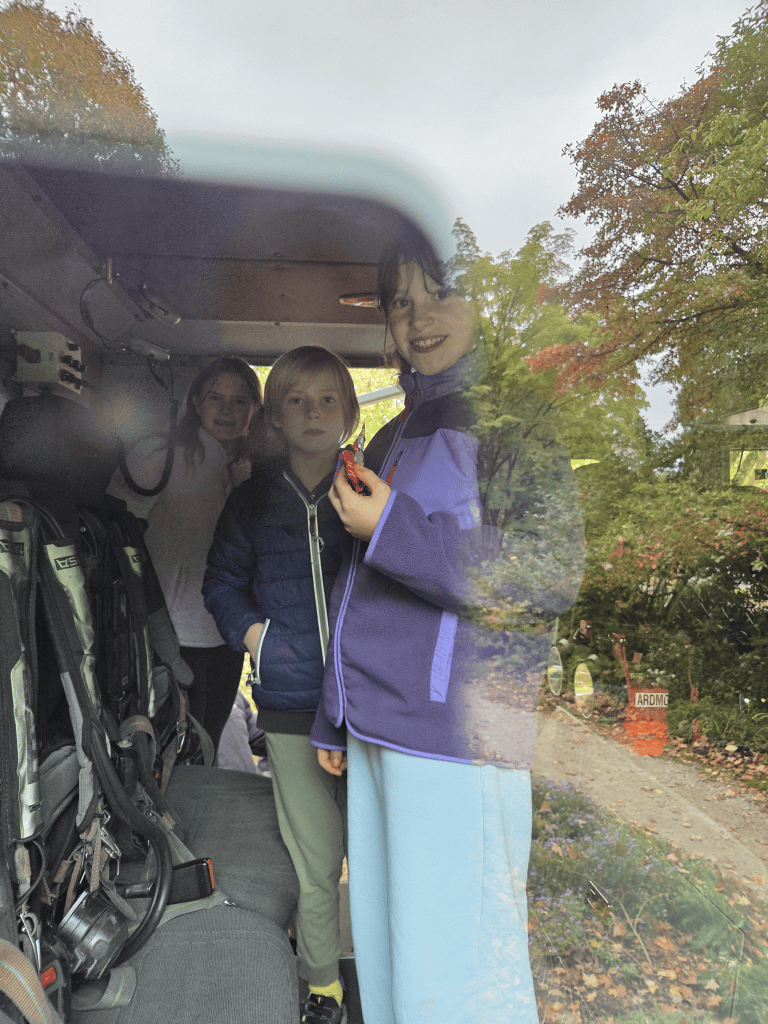
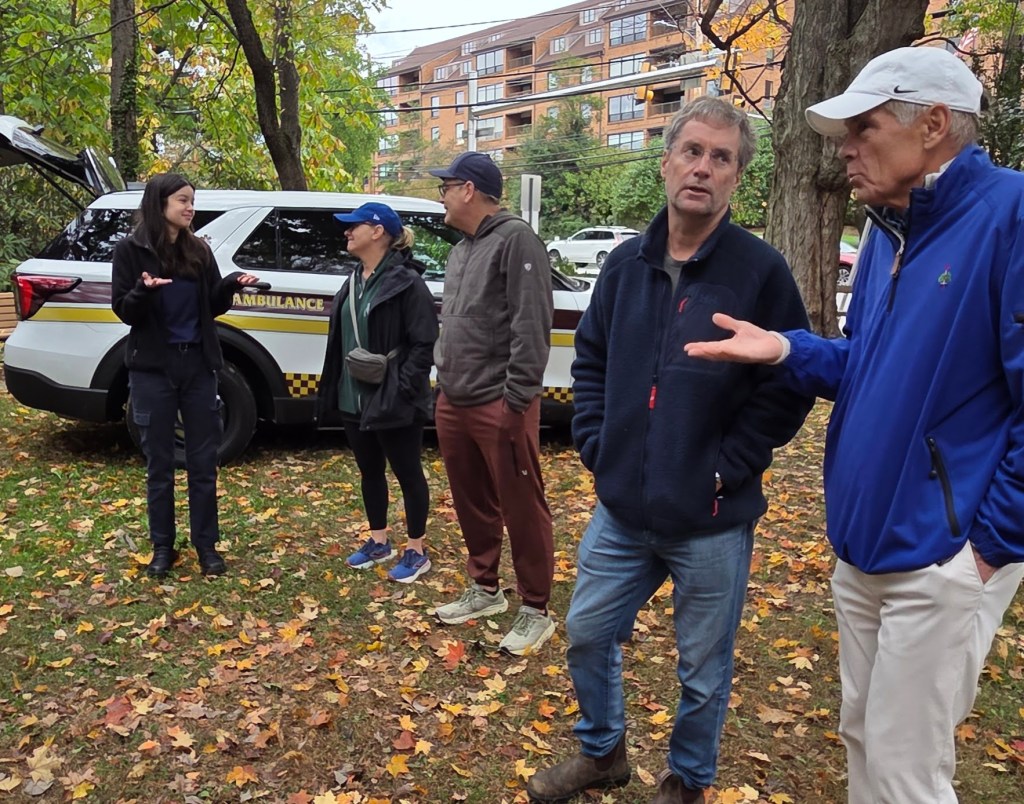
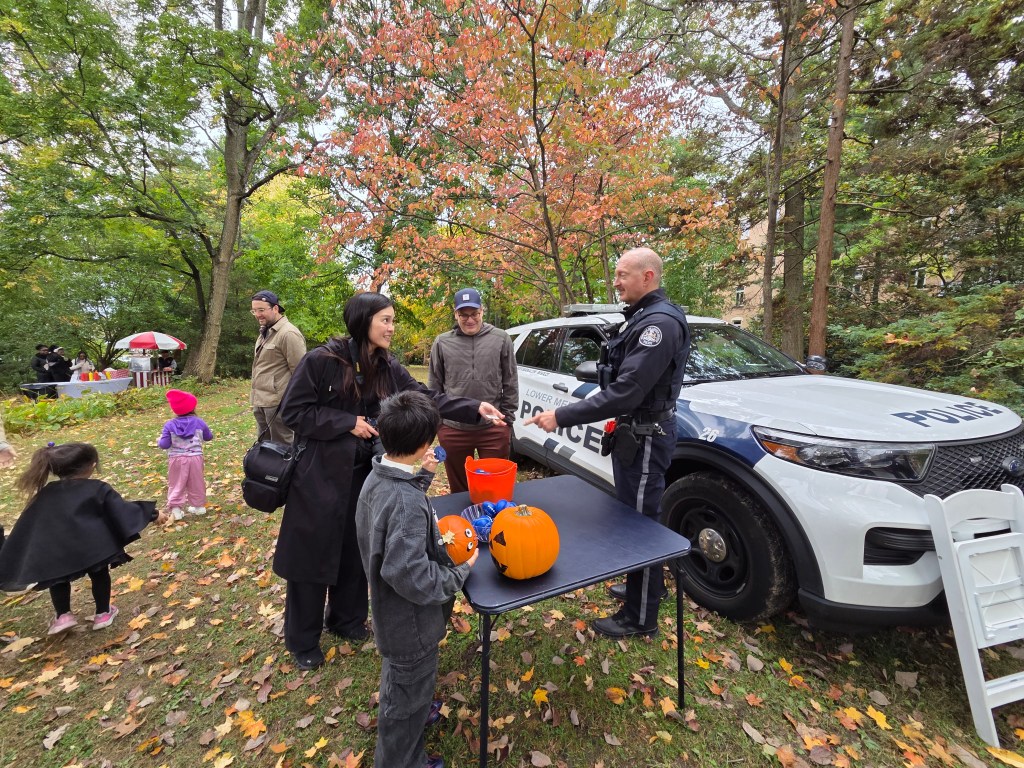
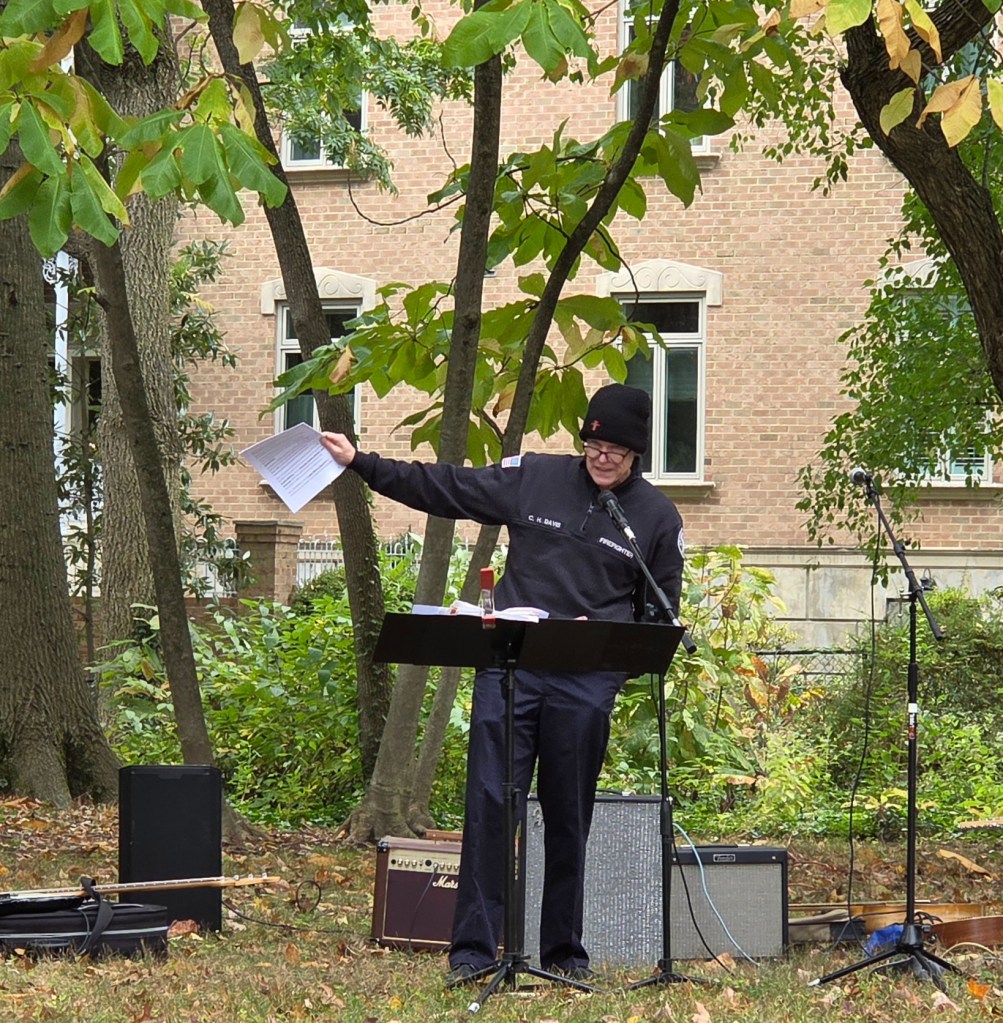
HCA President Charlie Davis (who also happens to be a fireman with Merion Fire Company of Ardmore) and Vice President Catherine Abrams point to an aging snowflake light – one of many displayed along the Haverford stretch of Lancaster Avenue during the winter holidays. The snowflakes, one of HCA’s civic improvement projects, have seen many seasons of use and are nearing the end of their functional life. The Association hopes to raise $10,000 to $15,000 to replace them. A portion of the funds raised at this year’s Party in the Park at Sharpe Bird Sanctuary in Haverford will go toward the replacement cost.

Lower Merion Historical Society

Ever wonder about the ownership history of your property or your home? Want to know who’s buried in Lower Merion cemeteries? Curious how the Main Line got its name?

You’ll find answers to these burning questions and plenty more at the Lower Merion Academy, where the Lower Merion Historical Society keeps its trove of memorable treasures. The Academy building, ensconced between an elementary and middle school in Bala Cynwyd, was built in 1812 on land bequeathed by Quaker farmer Jacob Jones. Upon his death in 1810, Jones also left 800 pounds to build a school and another 500 pounds to hire teachers “for the free education and instruction of Poor and Orphaned children of both sexes . . . without regard to their religious Profession or Education.” Thus was established the first public school in the township, a quarter century before the Commonwealth of Pennsylvania mandated public schooling for all its residents.

Lower Merion Academy building in an undated photo.

In 1914, after Lower Merion School District built Cynwyd Elementary on part of the original Jones tract, the Academy building was reconstructed to serve as a classroom annex. Then, in 2000, with the expansion of Bala Cynwyd Middle School, the school district had room to spare and subleased a portion of the Academy building to the Lower Merion Historical Society, which partnered with the district to repurpose the building as a special library. Two years later, the building got listed on the National Register of Historic Places, and in 2004 the Academy became the Society’s headquarters.

Today, the thousands of books, maps, photographs, oral histories and artifacts in the Society’s collection are mostly housed on the second floor of the Academy building. Among the many antique maps plotting the development of the township from farmland to upscale suburban enclave, are a dozen or so Pennsylvania Railroad atlases of the Main Line, including three editions depicting every property between Overbrook and Paoli.

The library also includes seven different collections of books, indentures, letters and artifacts, as well as property and burial records.

Early pictures of township landmarks such as the Merion Cricket Club (still going strong) and the Haverford Hotel (long gone) are among thousands of photographs and post cards in the collection.

One of the most poignant pieces of history in the Society’s holdings is the Byerly Collection. It’s a compilation of hundreds of letters between Russ Byerly, a shop teacher at Lower Merion High School, and local residents serving in the Armed Forces during World War II. Byerly‘s students – mostly young men but a few women as well – were about to leave home to fight in an overseas war against the forces of fascism and autocracy. He asked them to write him letters about their experience that he could share with others, and promised to write them back, preserving and promoting the bond between those on the home front and those on the war front. Byerly’s newsletter and hundreds of these back-and-forth missives have been painstakingly conserved and catalogued alphabetically by name of correspondents.

The Byerly Collection is but one example of how the Historical Society has been “Preserving Our Past for the Future” since 1949. Its vast collection of rare and noteworthy items is open to the public on Wednesday evenings from 7 to 9 p.m., Sundays from 2 to 4 p.m. or by appointment. Call (610) 664-3216 or email LMHistory@comcast.net. The Academy building is located at 506 Bryn Mawr Avenue in Bala Cynwyd. Here’s a link to the website: https://lowermerionhistory.org/. (NOTE: Lower Merion Academy, as a listed historical building, is not handicapped accessible.)

Go ahead, take a trip down memory lane. Delve into Lower Merion and Narberth’s past and discover the remarkable stories of the people and communities who came before.

Website Powered by WordPress.com.

Up ↑